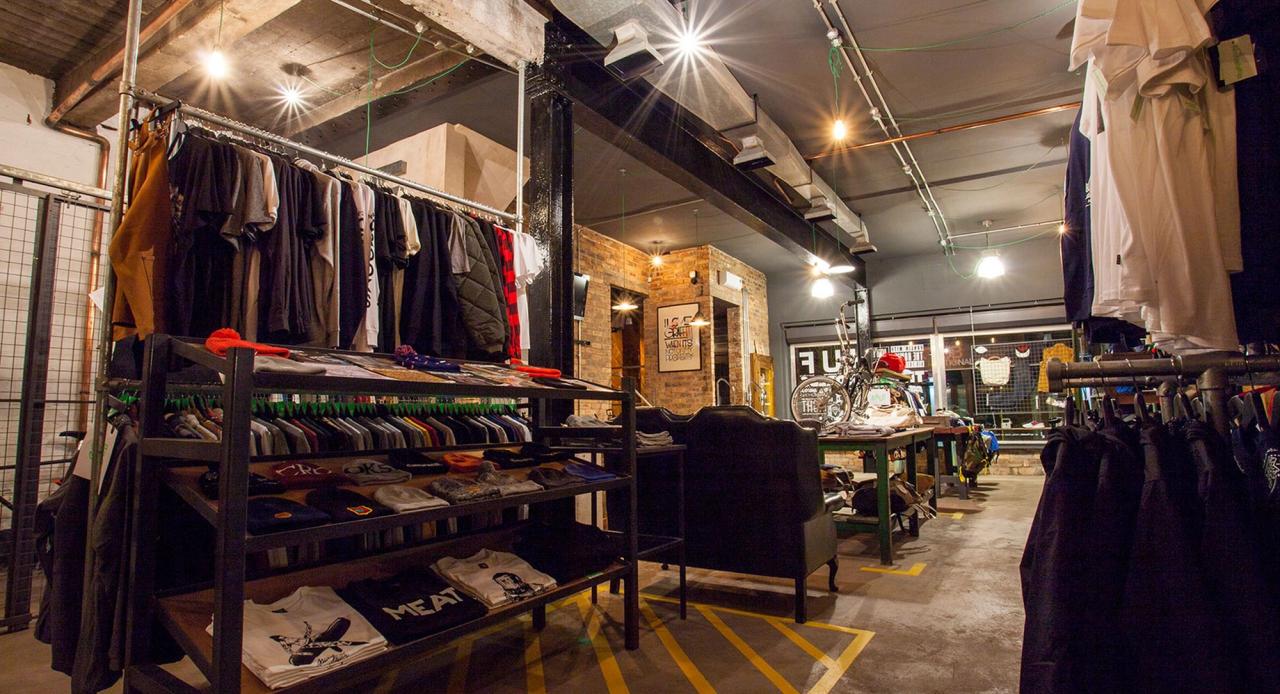


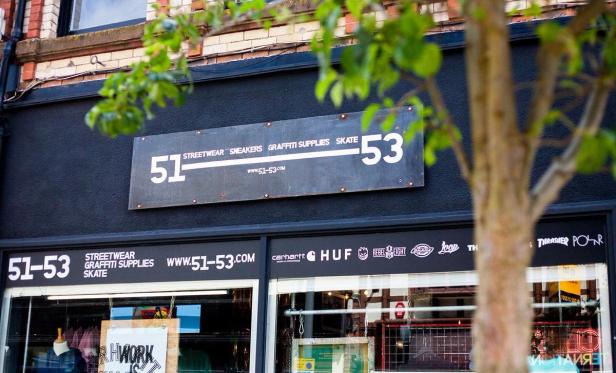

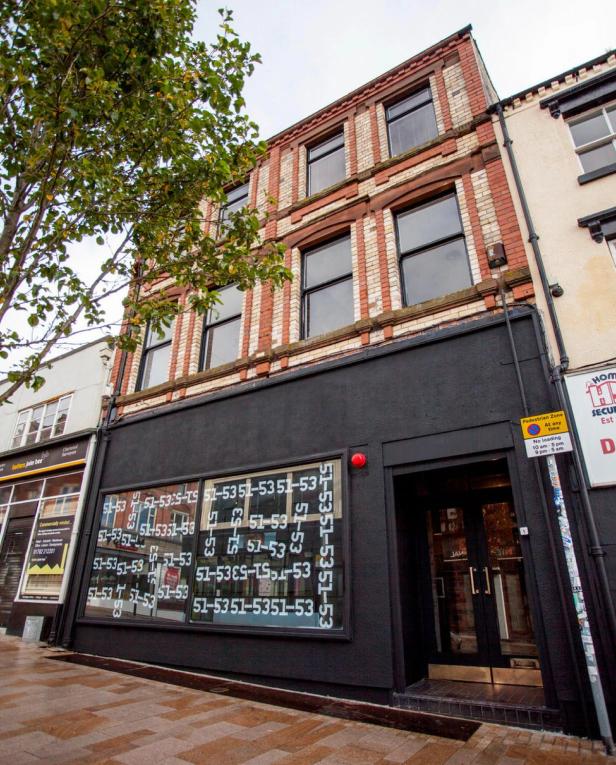



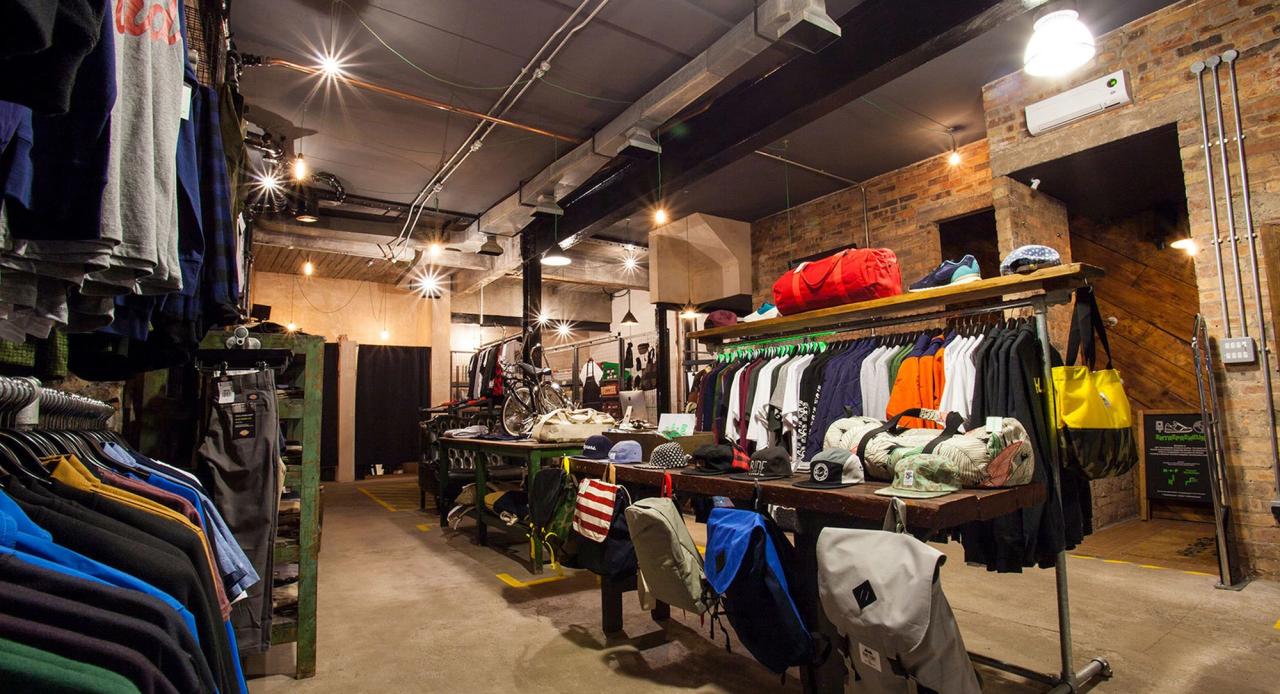
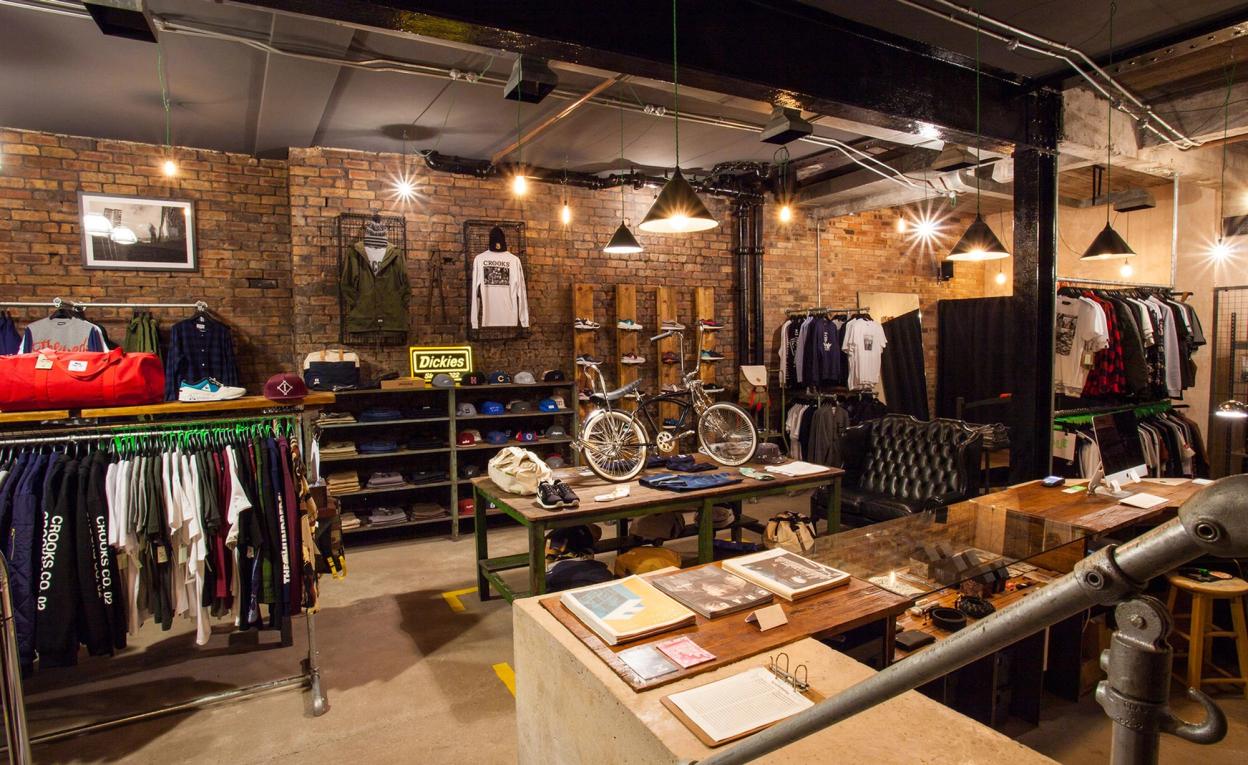
We wanted something, so we built it. 51-53 was a menswear store rooted in graffiti and street culture selling apparel, footwear, skateboarding hardware, graffiti paint and artist supplies. It was the centre point of a large creative business, providing an entry point for individuals to interact with street culture at any level—and enabled us to move forward with other projects outside of retail. We renovated a building over the course of three months in the summer of 2014, art directed the interior design and worked alongside a number of talented designers, makers and tradesmen to realise a fresh vision for what a retail business could achieve.

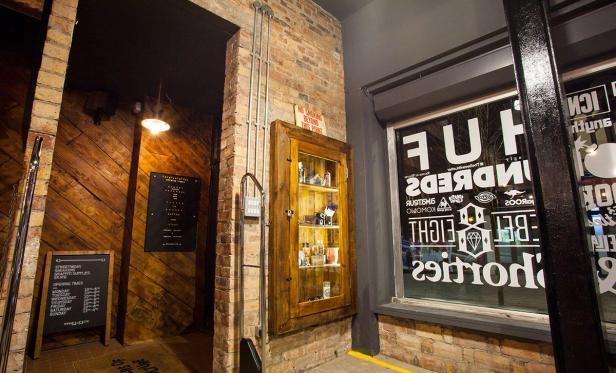

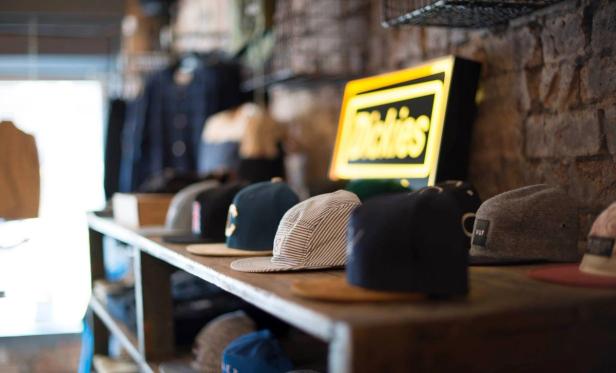


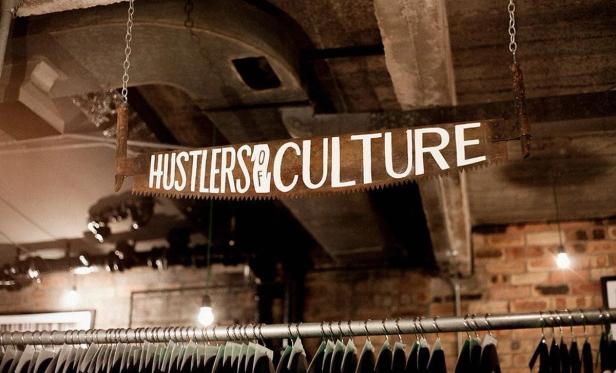

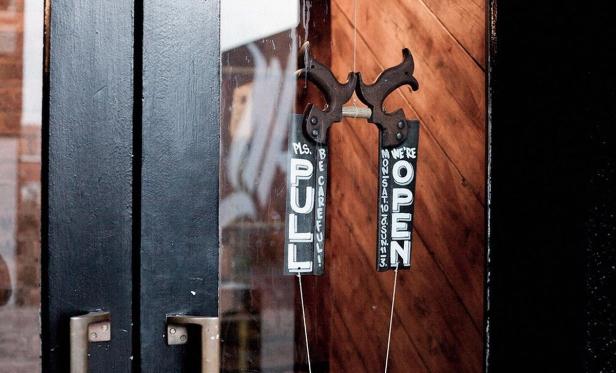

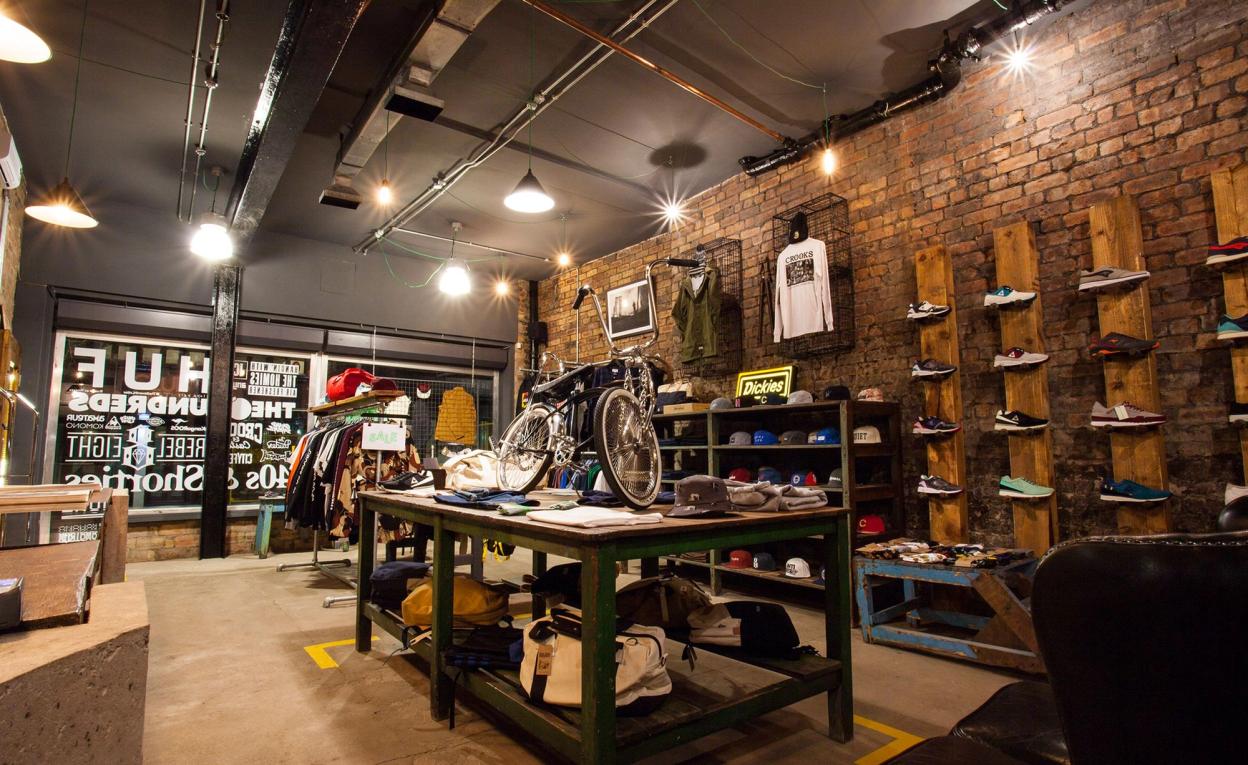
The store's location was central to its visual identity, with street culture at the heart. Fashion-savvy customers are often loyal to a select number of stores, and we wanted to capture the local economy by celebrating it through our graphic language and image style. Gritty, urban and brutalist. Capturing the essence of what street culture already is, in many ways, was key. We aimed to lean on visual conventions of the industry whilst putting a considered spin on our brand identity.
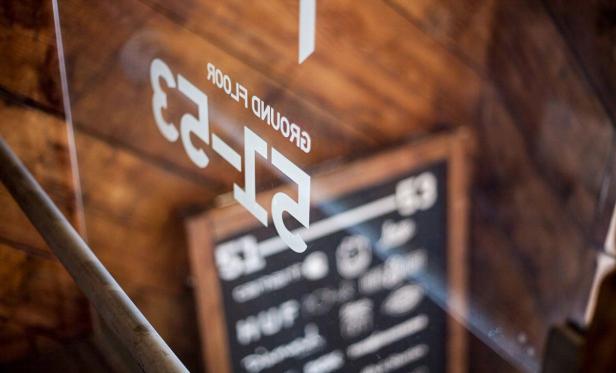
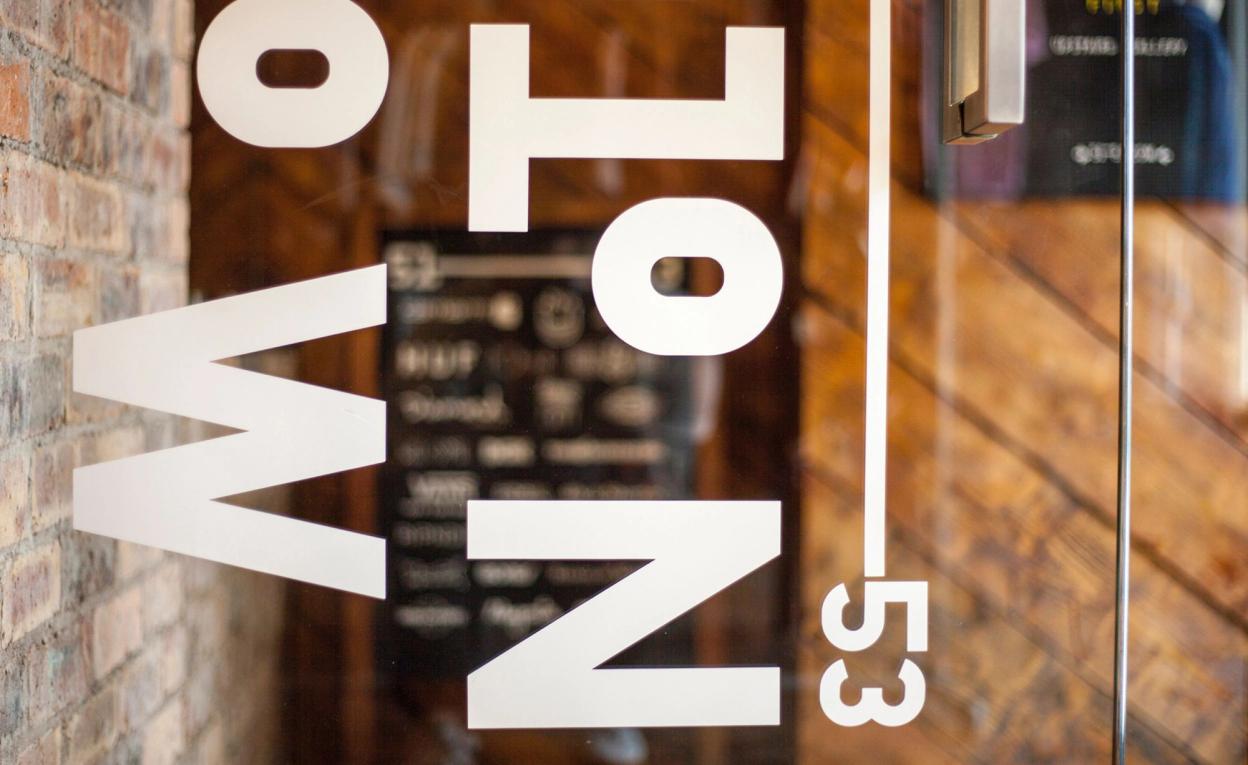
Simple, bold, black & white. We aimed to very matter-of-fact, very direct and very punchy. You could say very masculine — this was a menswear store after all. The boldness and simplicity of the typography in the identity represented our values.
Capturing a mood through image was important for us. We didn't want the imagery to take centre stage necessarily, but rather compliment the typographic direction and be more textural, showing subtleties of the culture we were communicating.

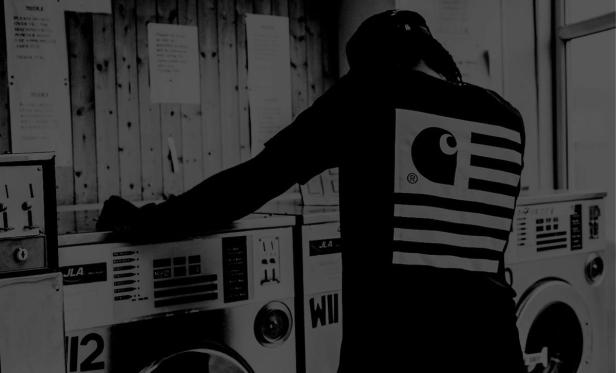







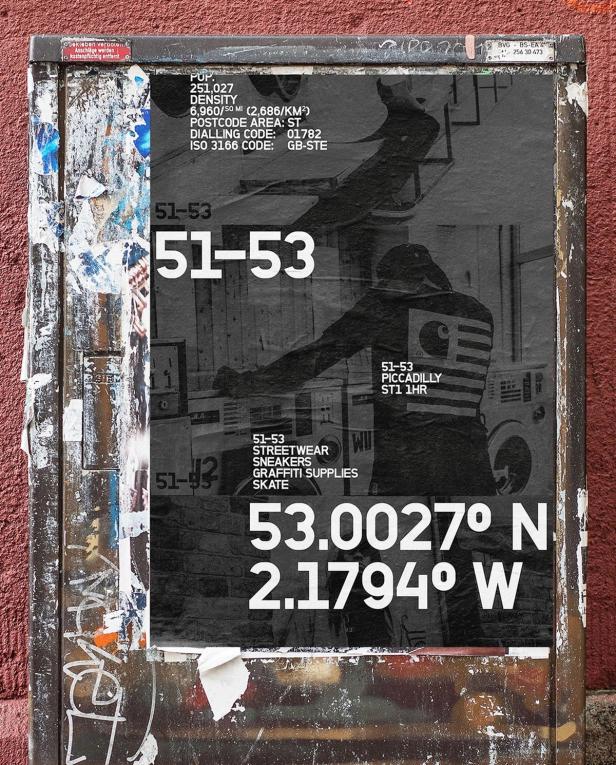

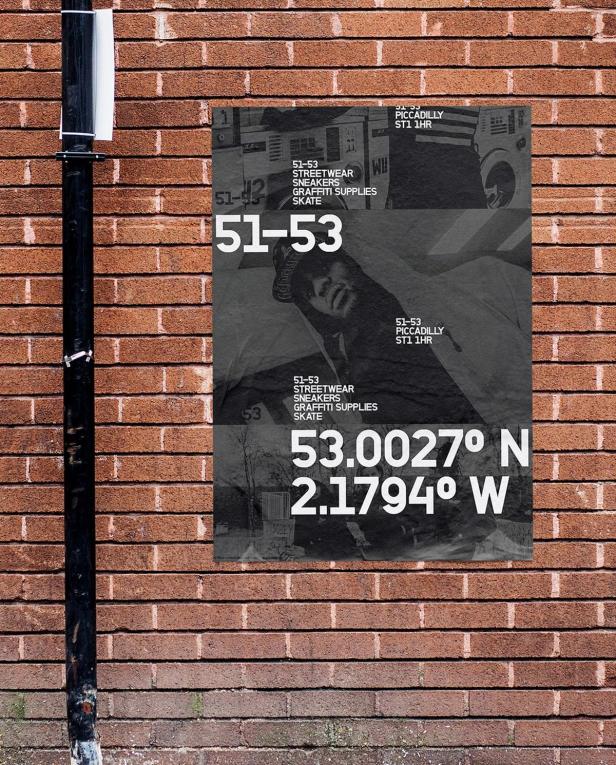

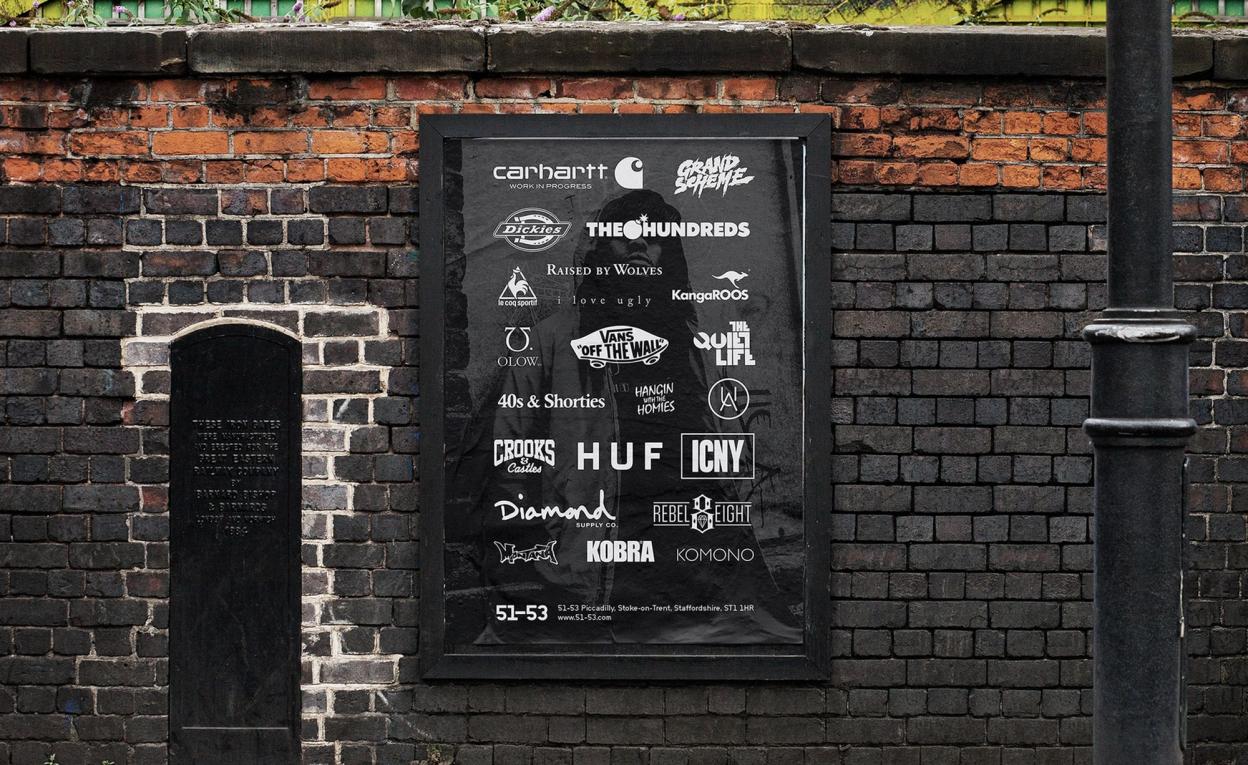

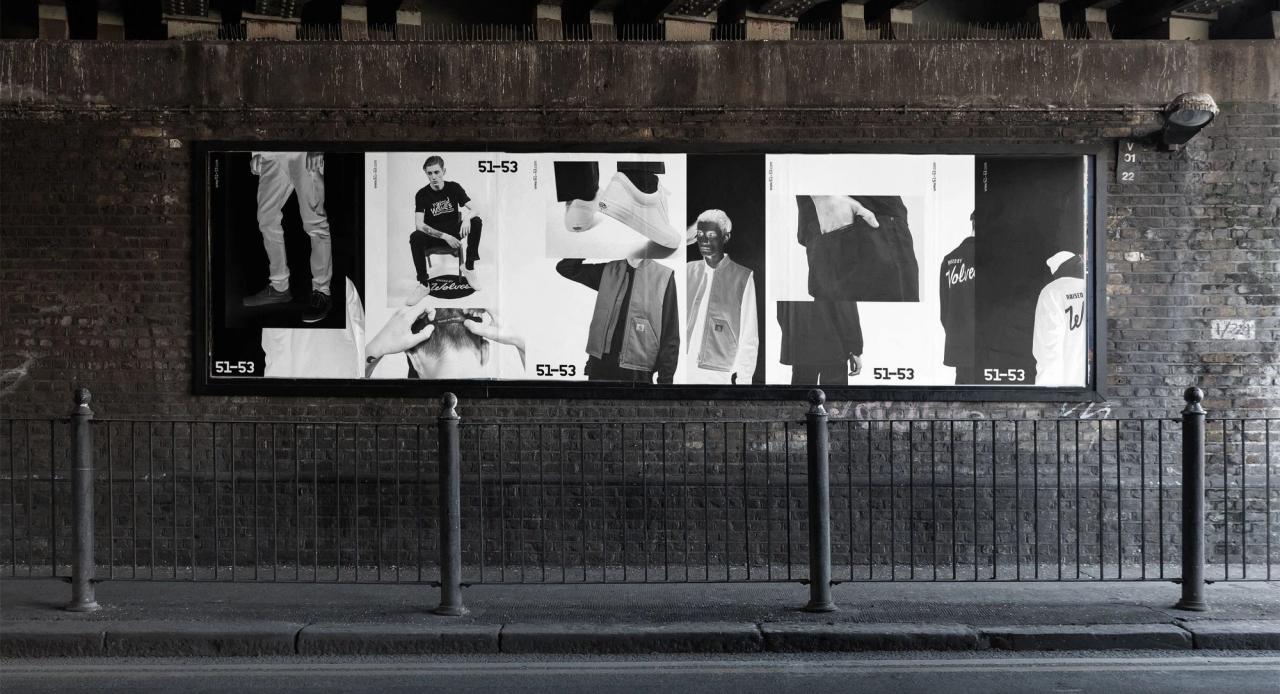
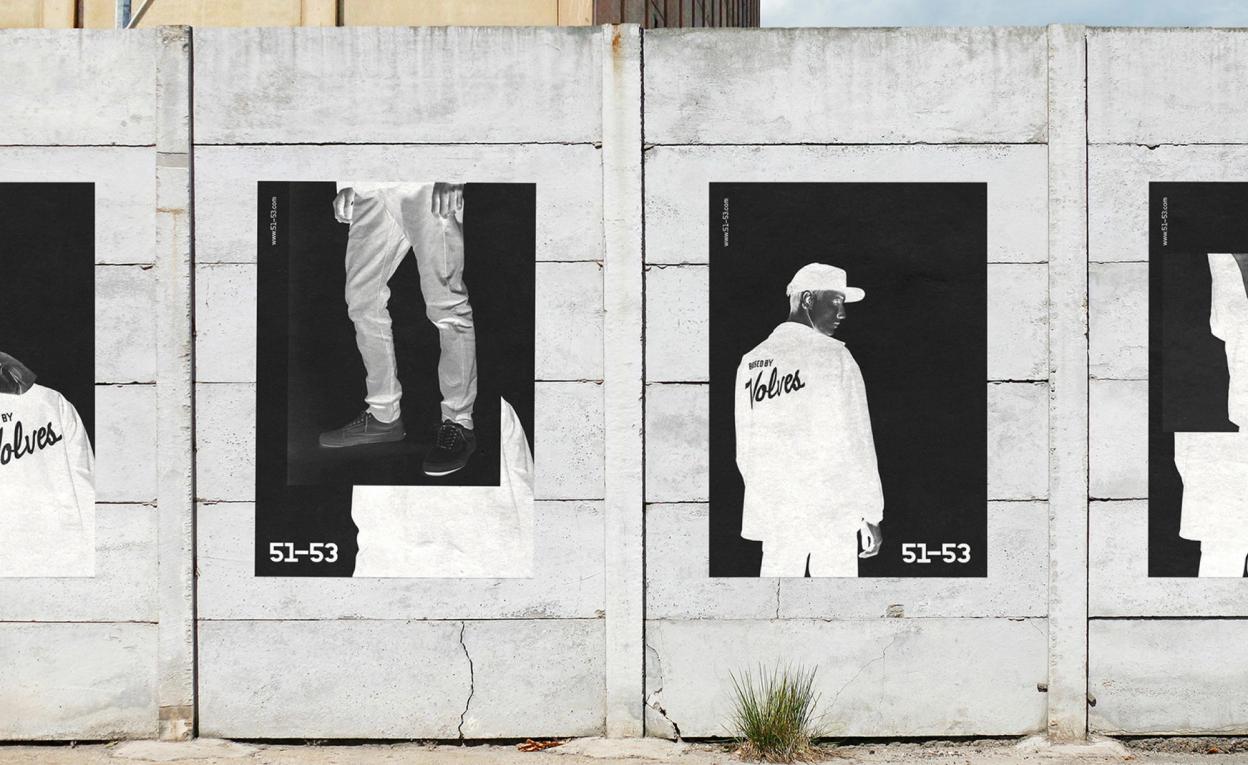
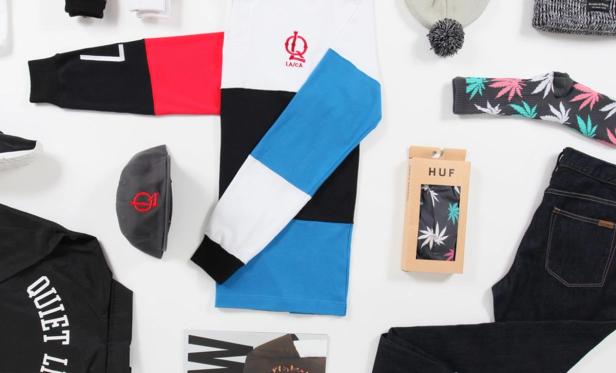
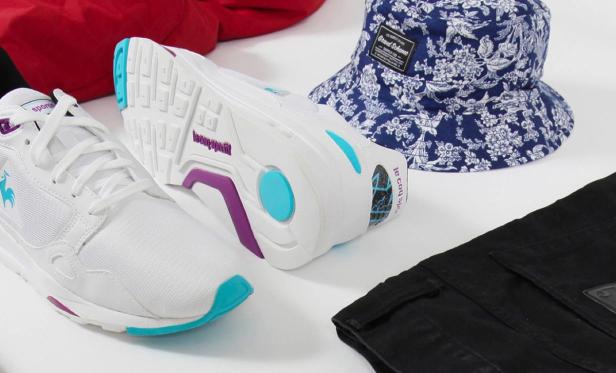
We had two general approaches to advertising the store. The first was very much about putting our brand identity at the forefront, with the aim to increase awareness of who we were and what we were about. The second was about putting the product centre stage, so that potential customers understood our offer more clearly whilst at the same time having an introduction to our brand.

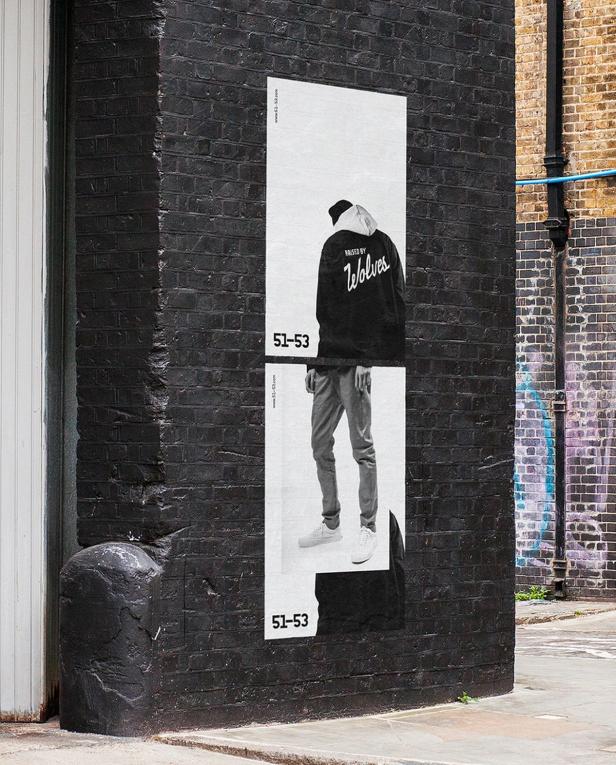

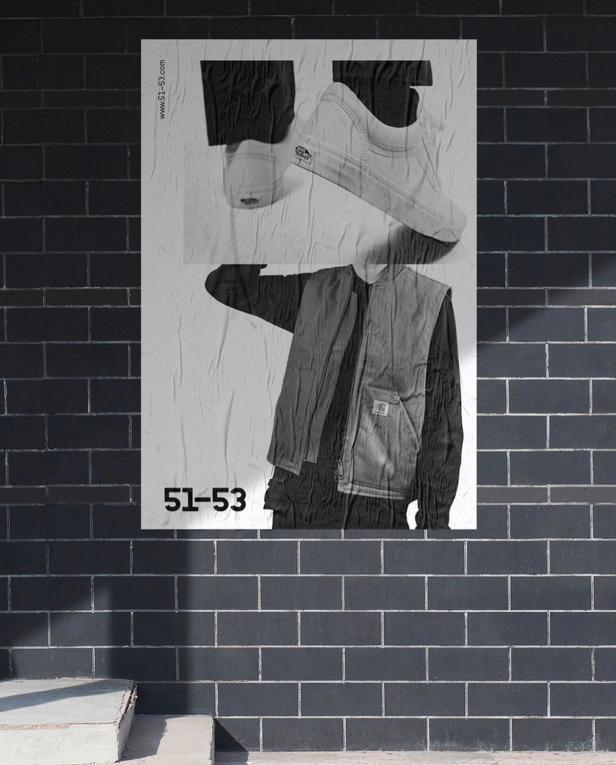
Customers often buy from certain outlets because of their desire to be affiliated with that outlet, just like they buy the clothing itself by brand. Putting our brand identity first enabled us to build levels of trust with people so that they felt both comfortable and cool buying from us.
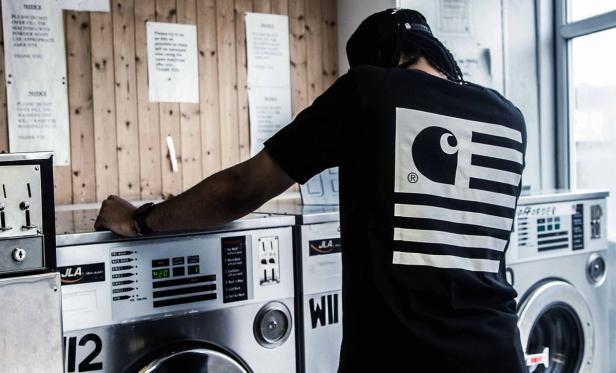
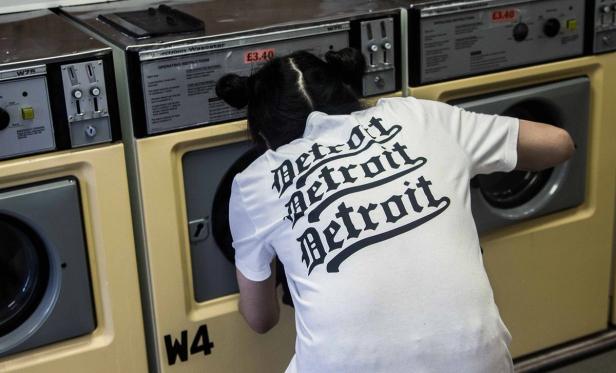
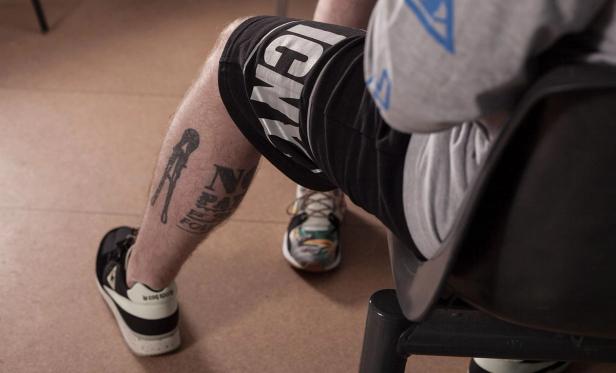
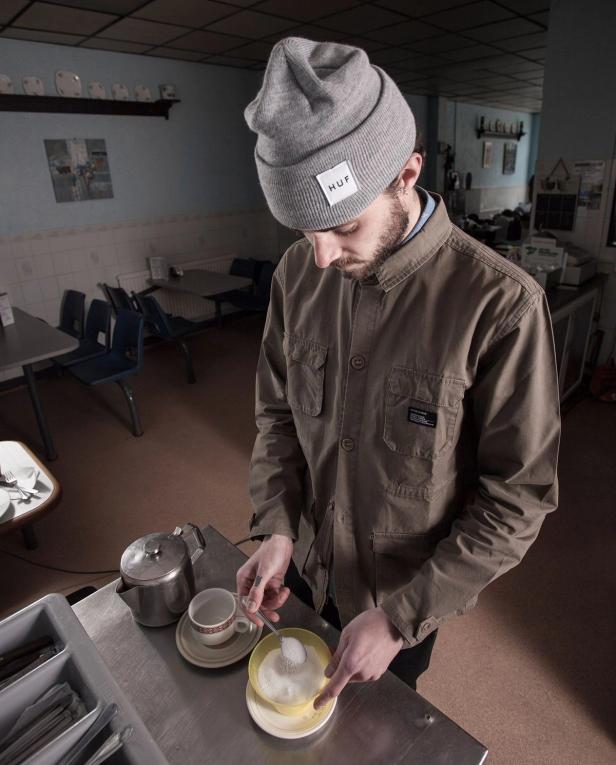
In our brand campaigns, the product was present, but textural. However we also needed to be able to put the actual clothing on offer as the protagonist, and by teaming up with photographers and stylists we created our own lookbook content to use in these scenarios.


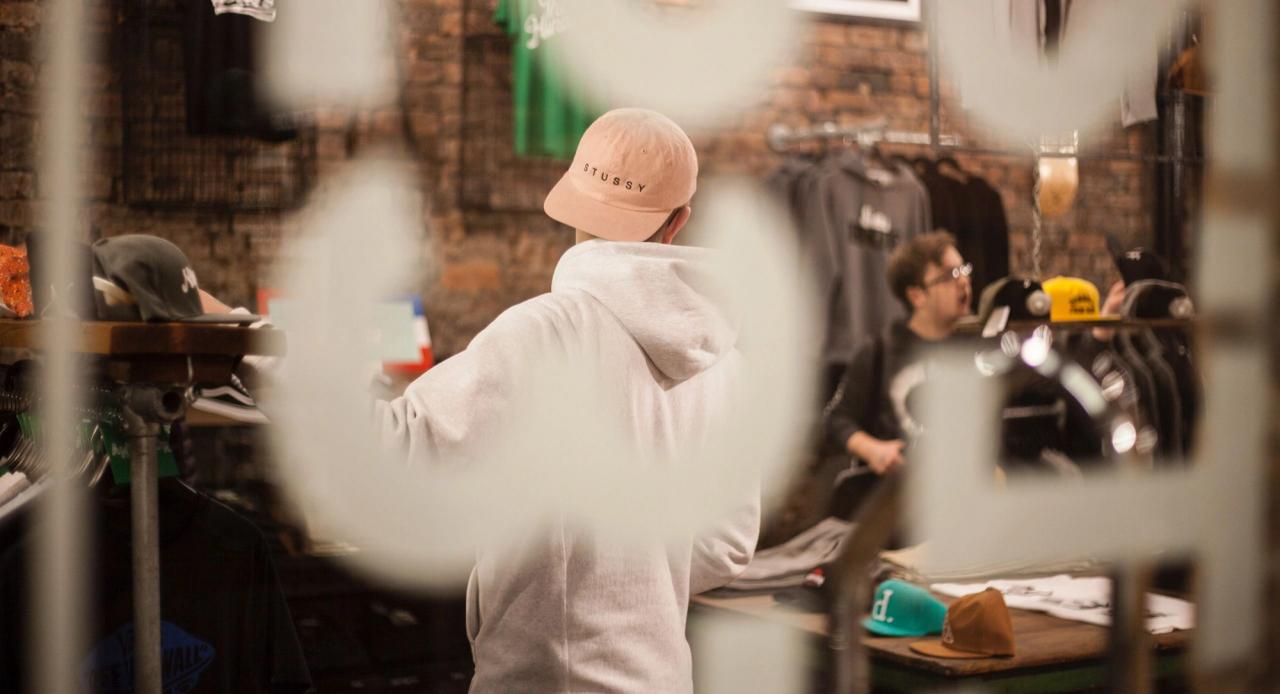
One of our main goals was to brinig together a community around street culture in the city. We did this in a number of ways through the entire business, but with the store we wanted to combine this with selling product. The store would always be open during gallery openings, and alongside these private views we also organised ‘lock-ins’ where paying customers can attend, enter competitions, play games, socialise and get discounts on products around the store.

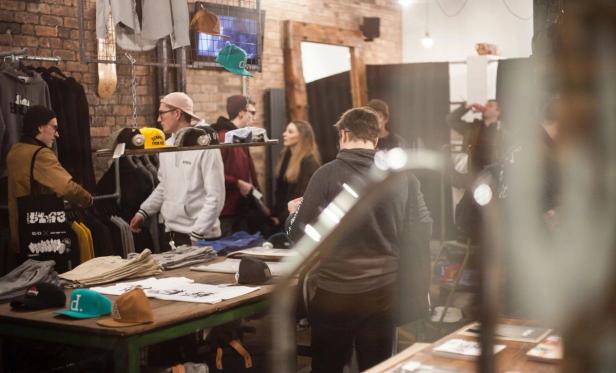

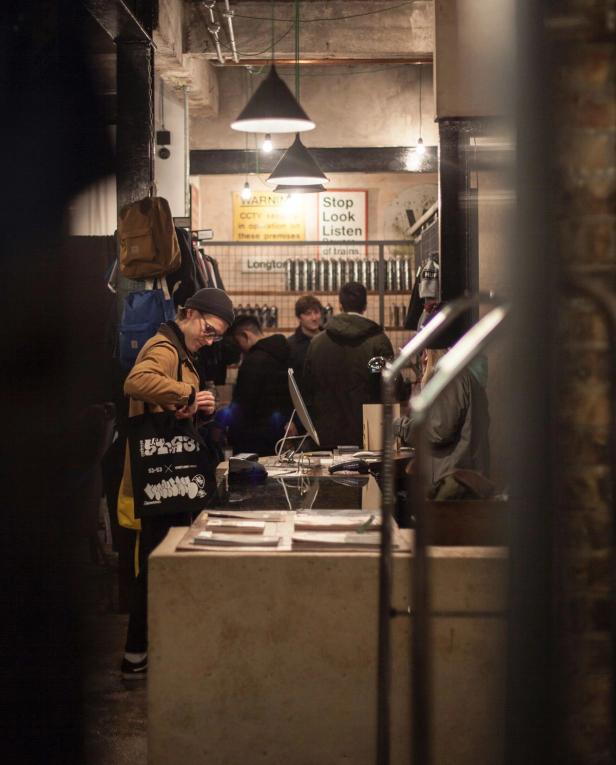

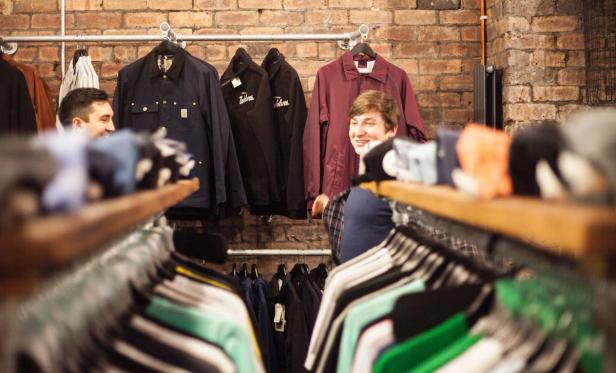
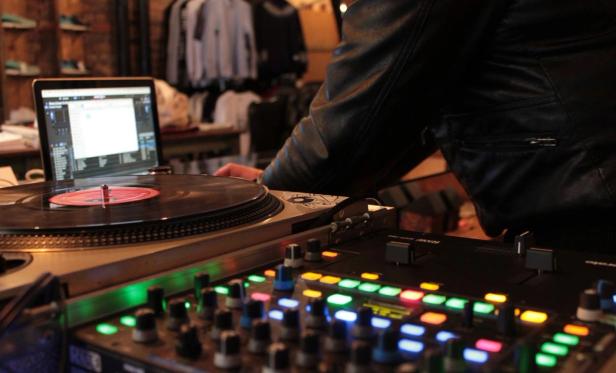
A huge part of the culture of our store was the music we played. Hip hop, house, punk—whatever the collective felt appropriate at any given time was played through the speakers. We made it a monthly event to have live DJs playing in-store that represented this brand value, producing free mixtapes off the back of it and increasing our network within the city.





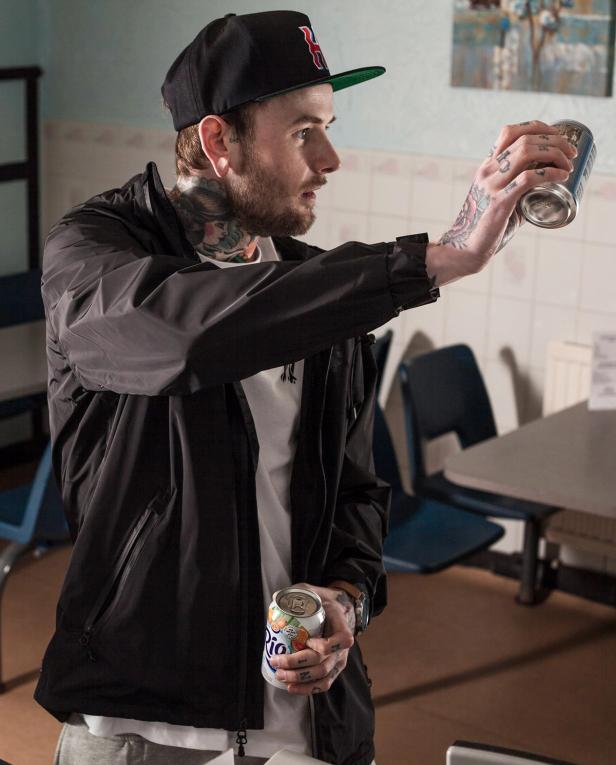
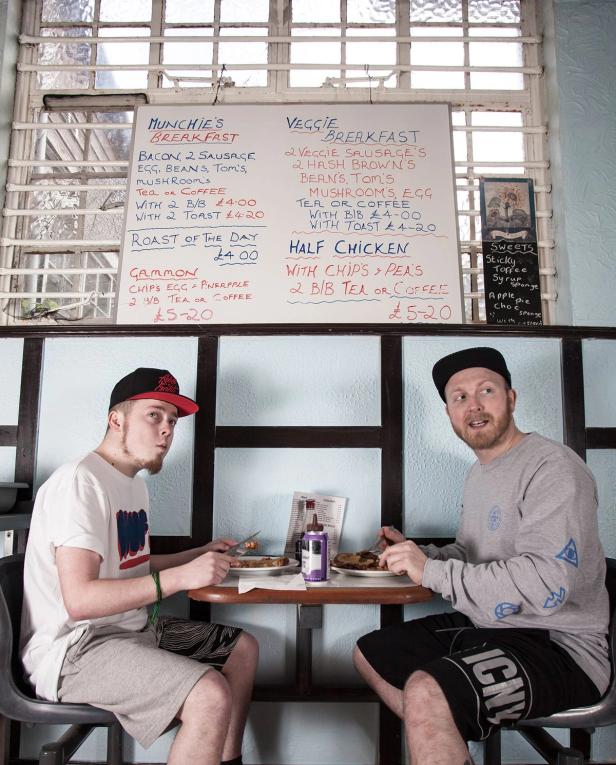
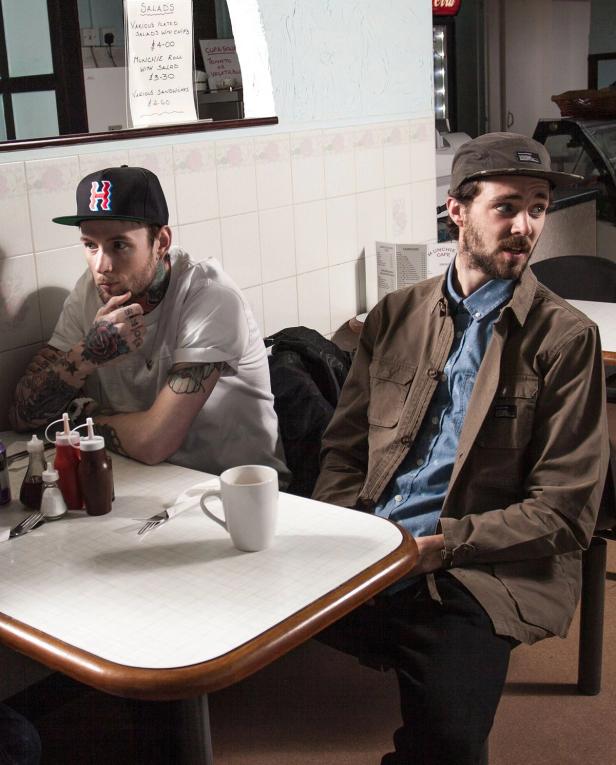
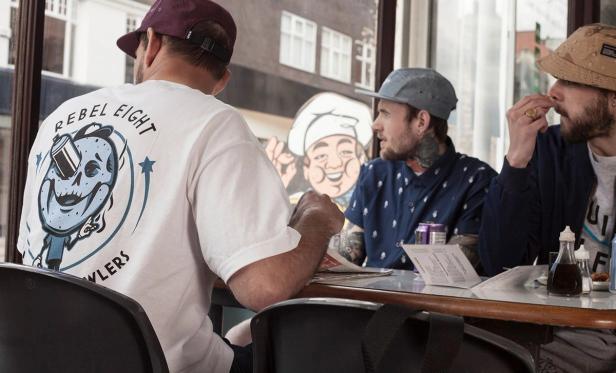
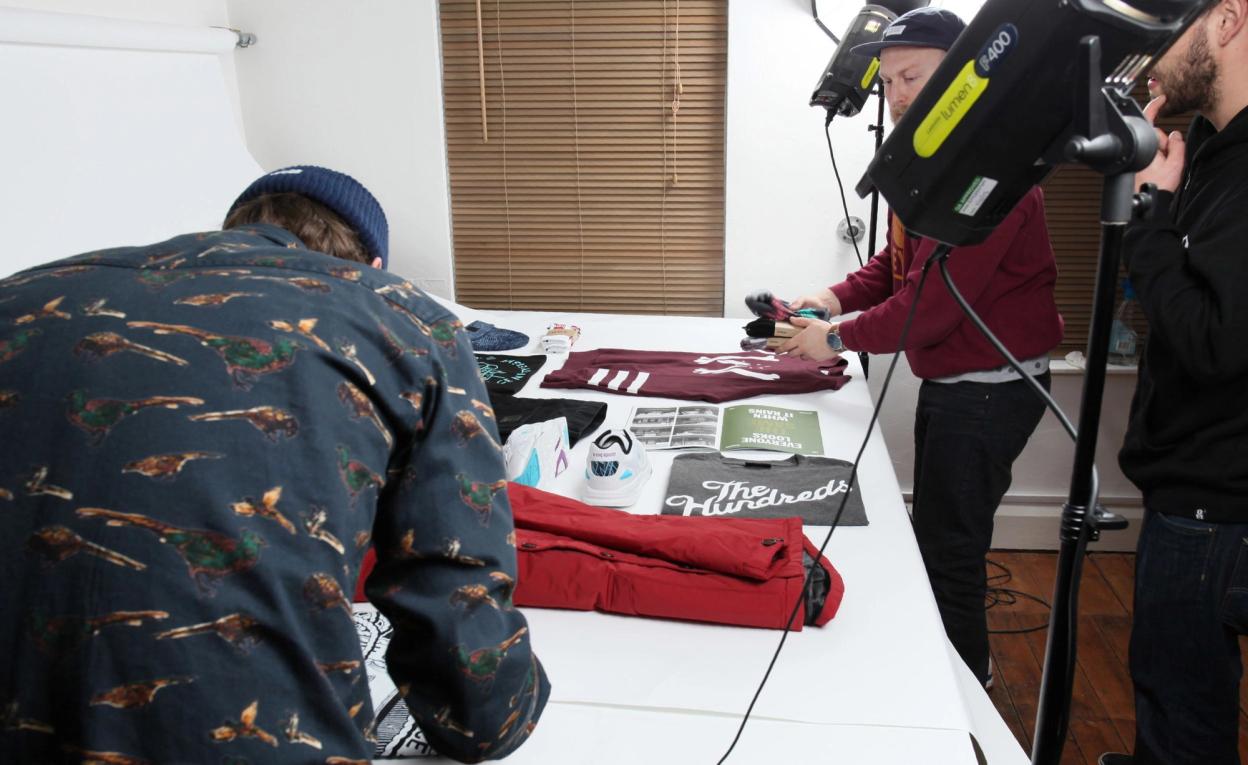
Between location scouting, sourcing photographers and stylists, art directing, lighting and getting behind the lens to photograph, we consciously made the effort to produce original content every season in the form of lookbooks for our stocked brands.





















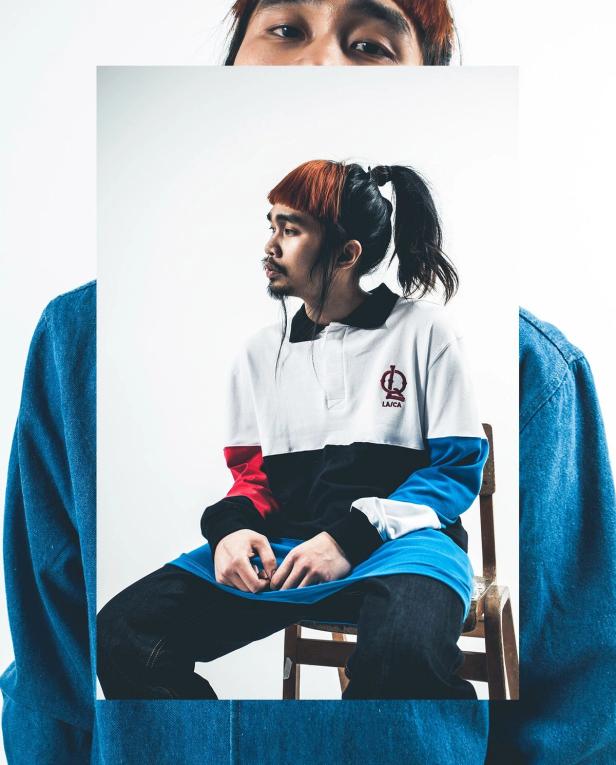





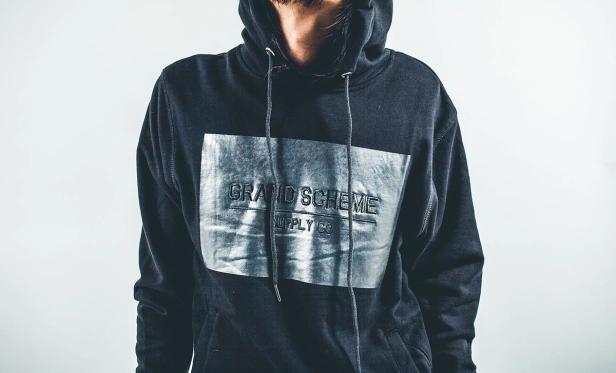

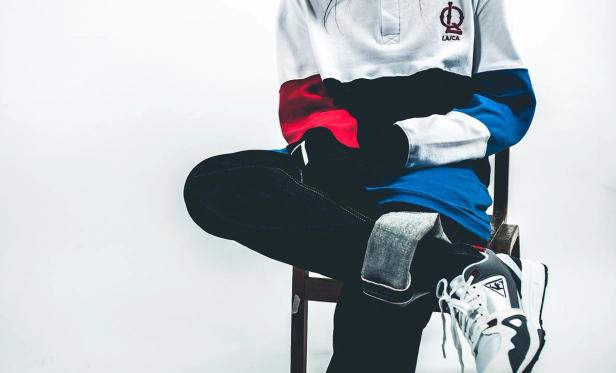





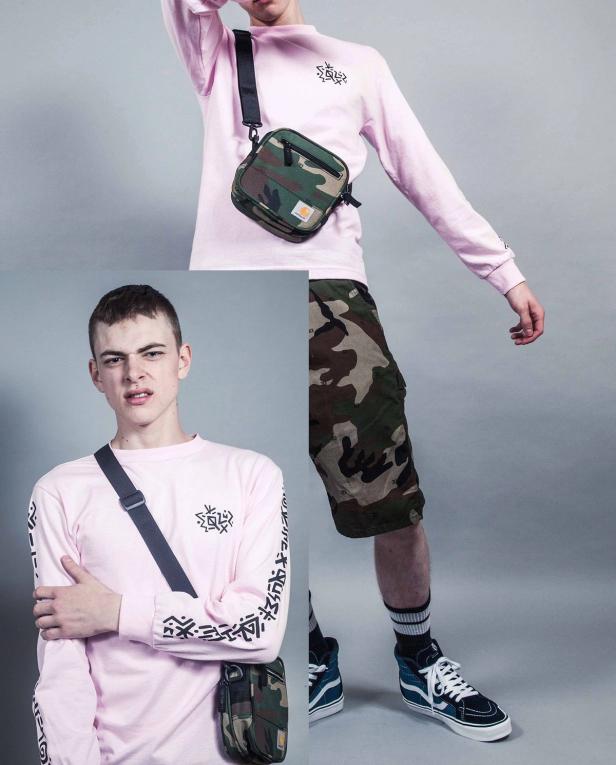

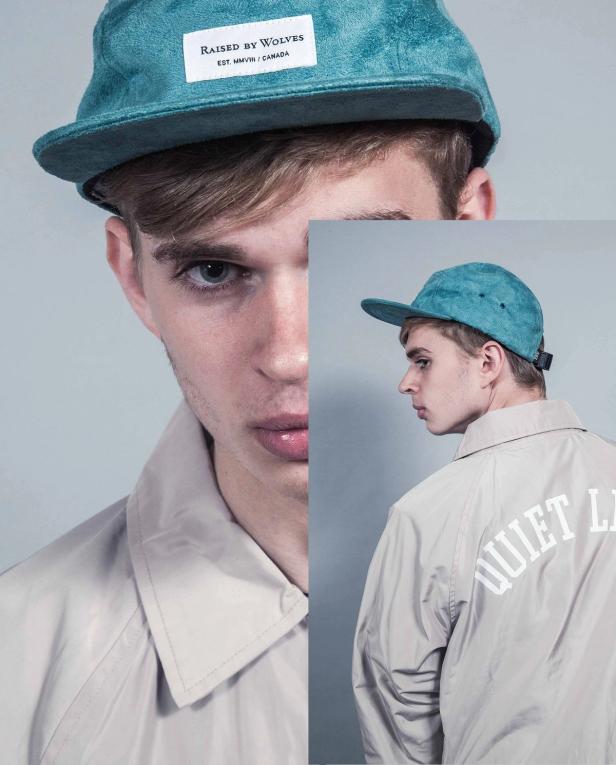

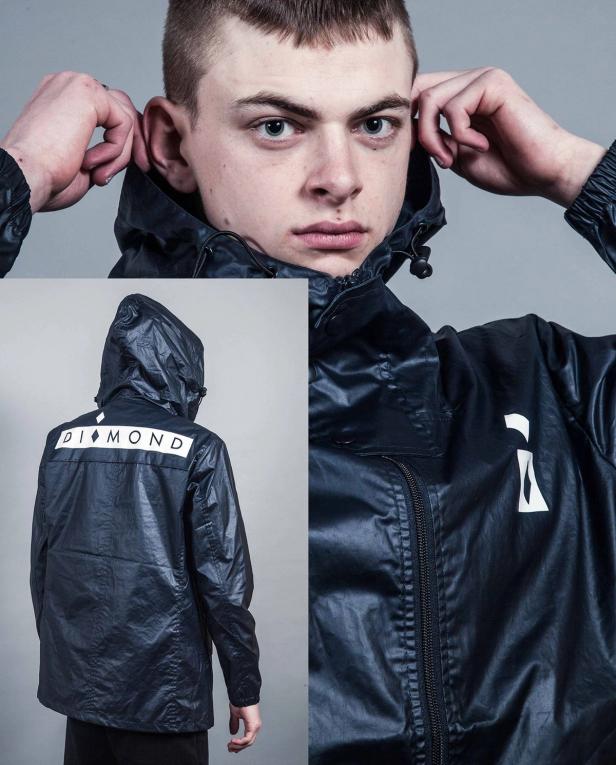

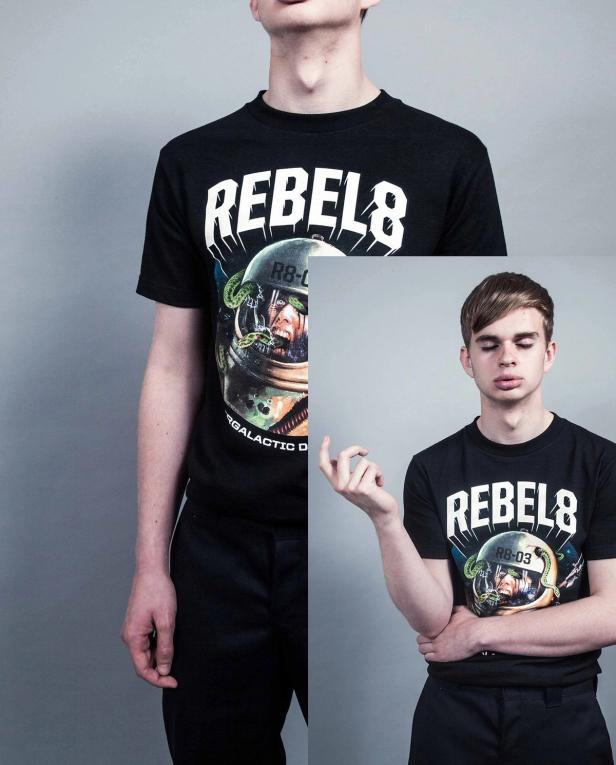

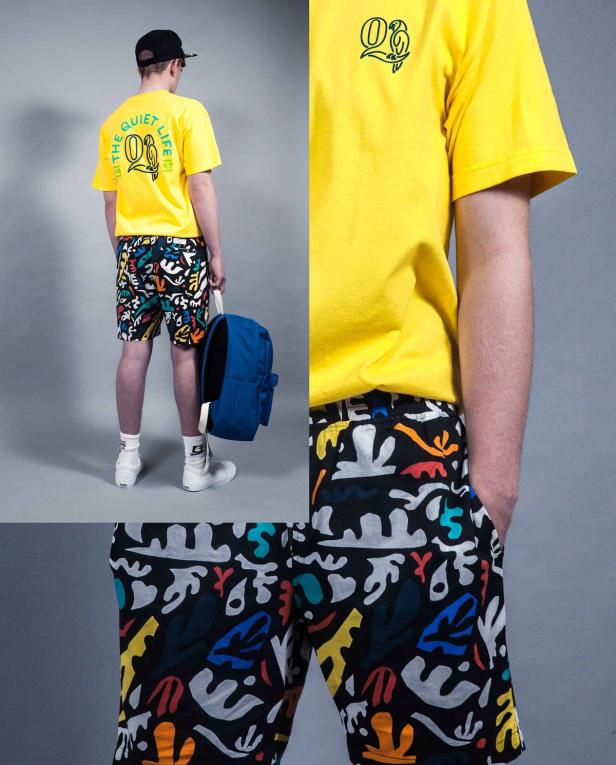

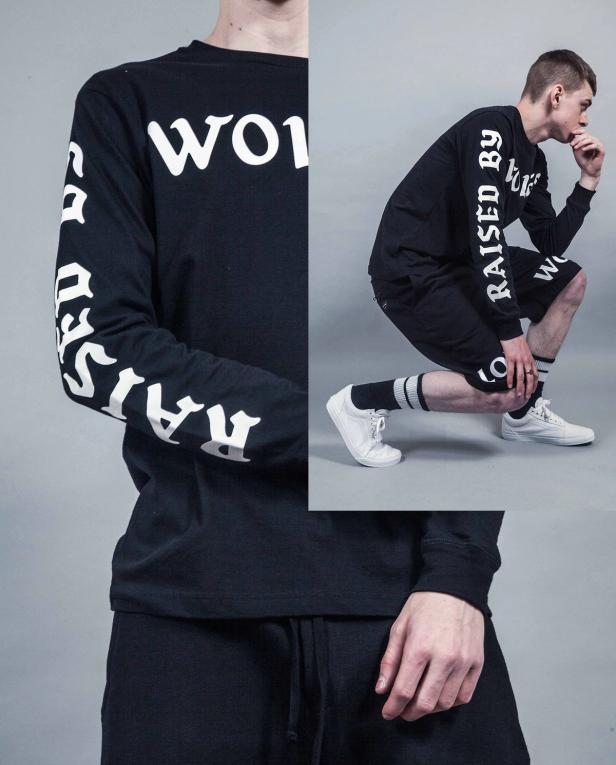

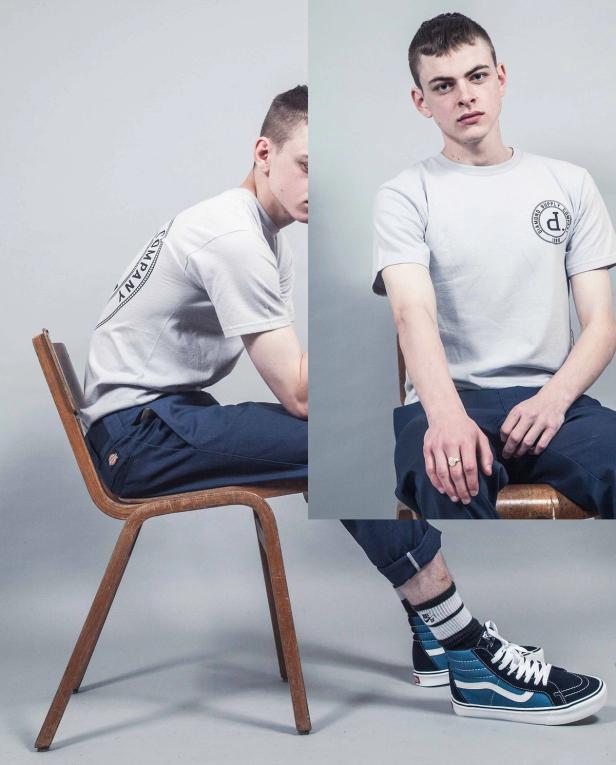

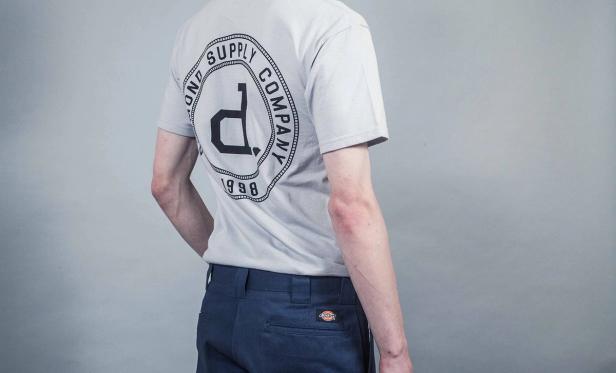
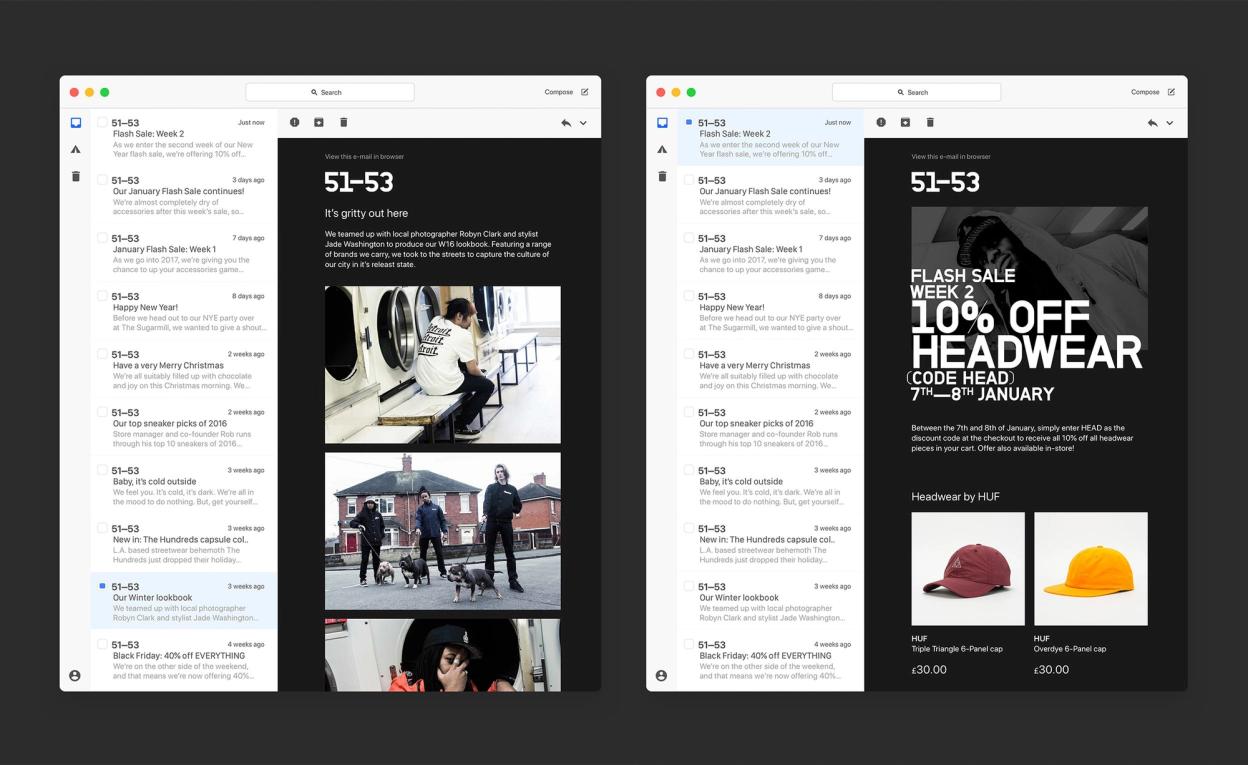
A huge part of the 51–53 business lived in a digital space, and all roads led to the online store. Between the main gateways of social media and e-mail campaigns, we developed marketing and content strategies to pull customers towards the culture, and ultimately to buy from the website.
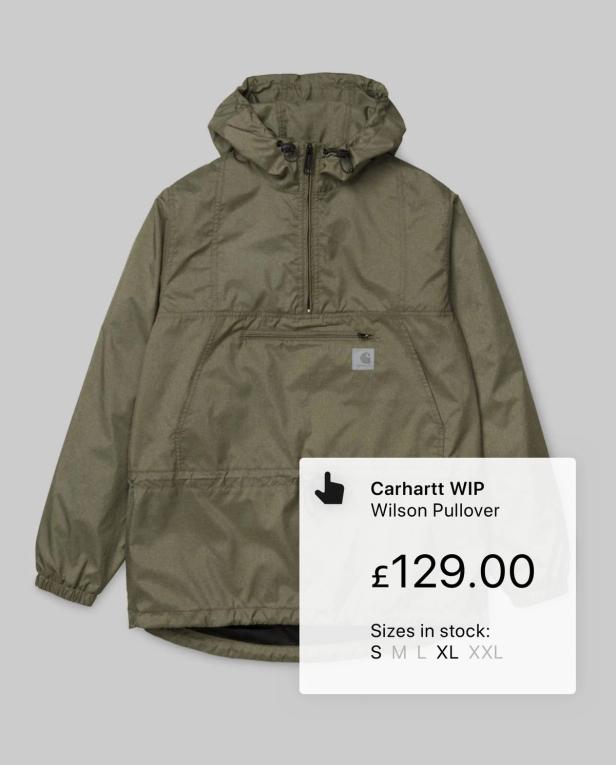
I developed a website design with a heavy emphasis on street culture that centred around the needs of the customer, whilst showcasing clear information about the products. Bringing the brand identity to life digitally relied heavily on well curated photography from 51–53's own endeavours—pulling from seasonal look books through to product specific shots taken in a studio setup.

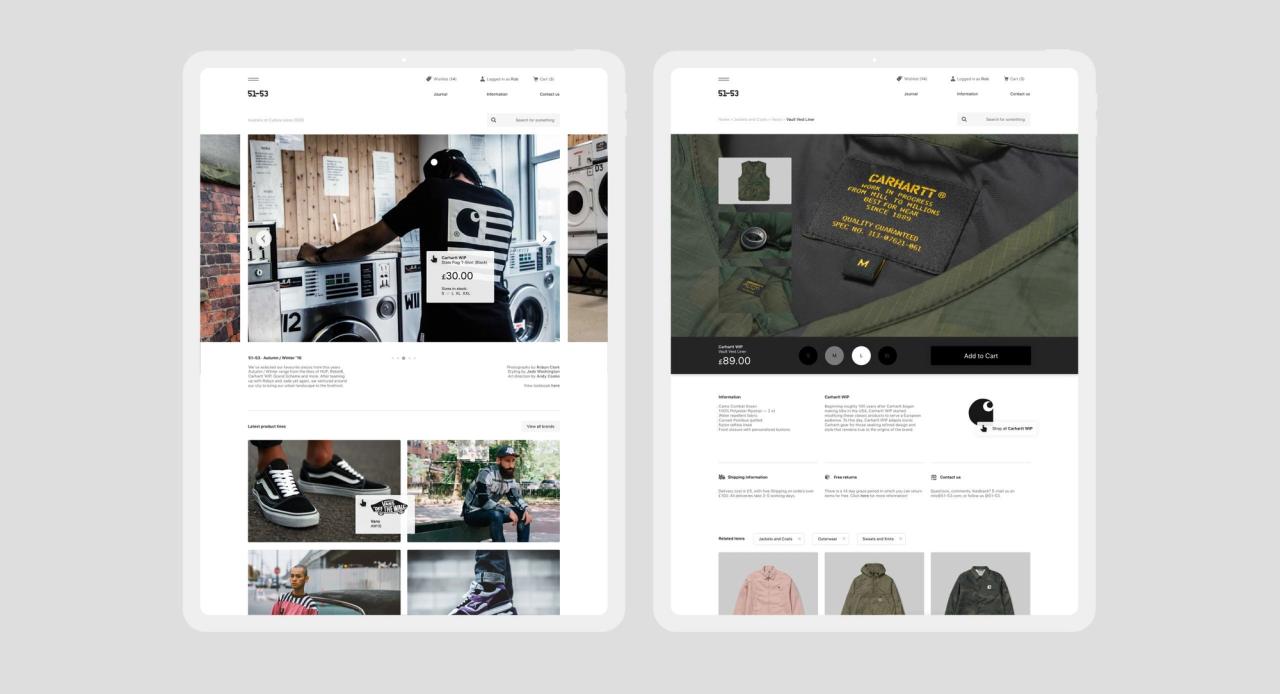

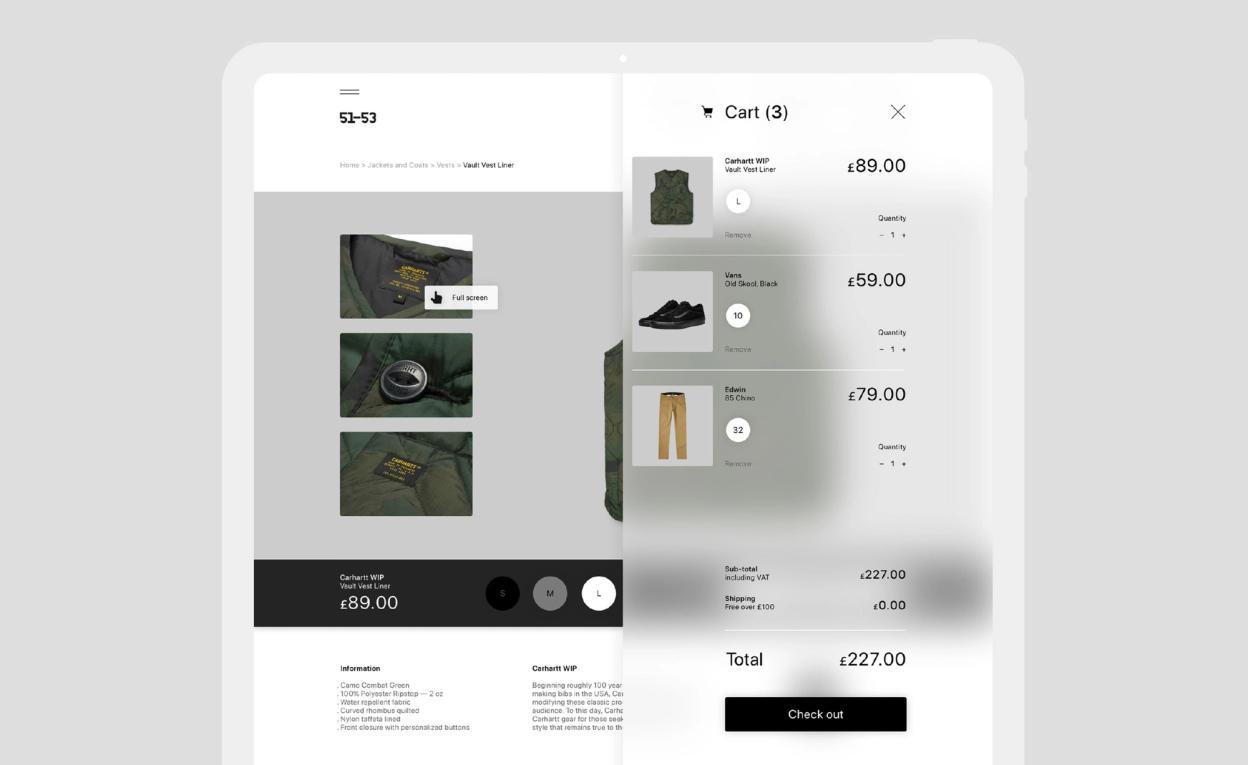


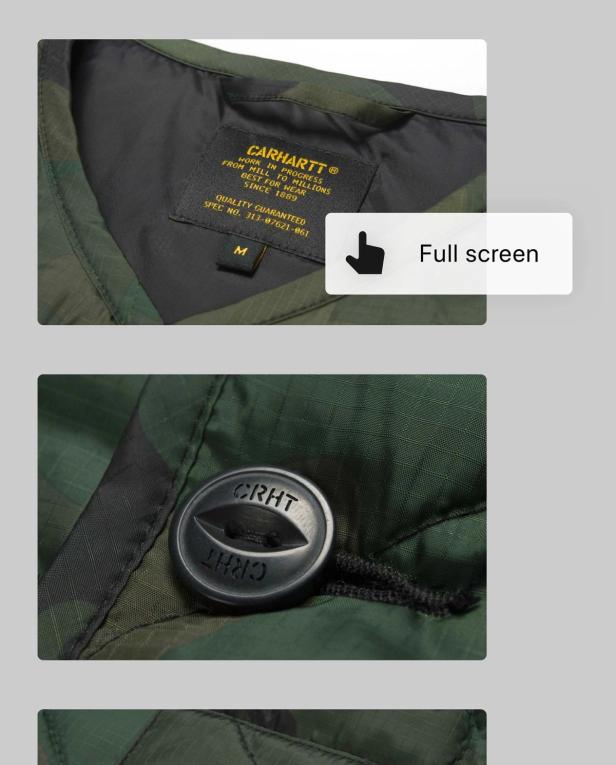
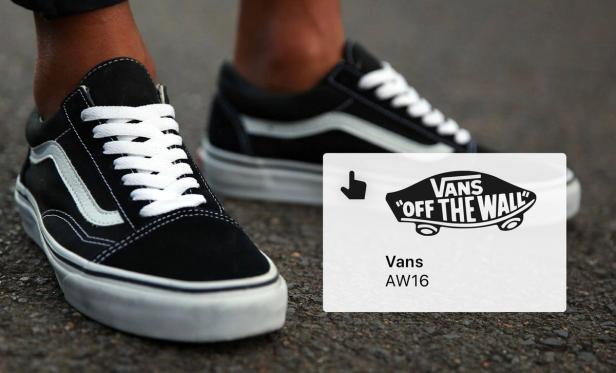
CTA's that appear on hover help to clean up the interface, while quickly becoming an interaction that customers understand and then utilising. Having floating cards and markers on garments was a great way for 51–53 to be able to direct users to key pages and products quickly and in a way that the users felt in control—they are informed about the key facts about a product before committing to a click.



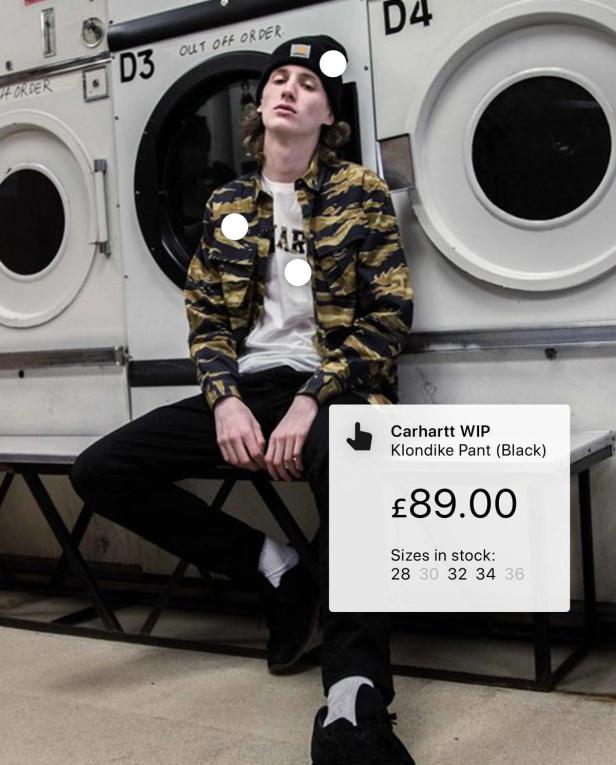





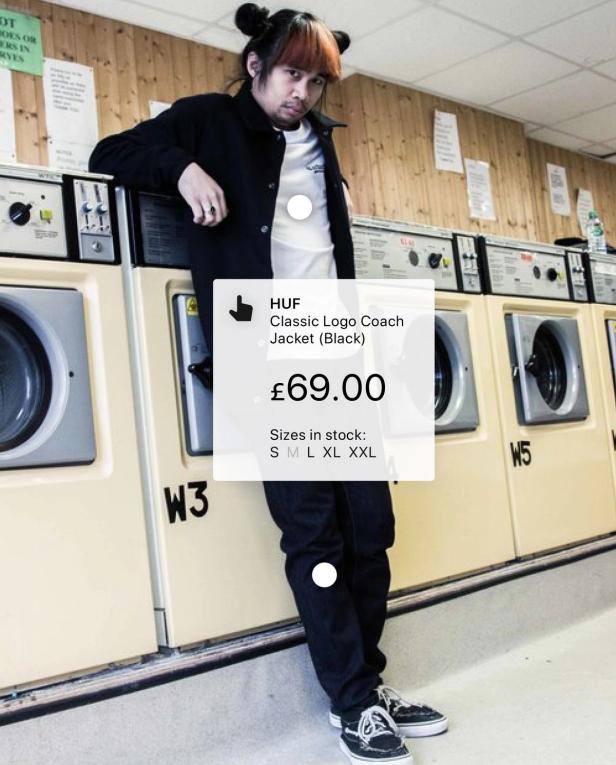
Producing bespoke content was an ongoing effort as part of our social media strategy. We constantly produced original lookbooks with local creates featuring our products in settings that represented the culture around our store.
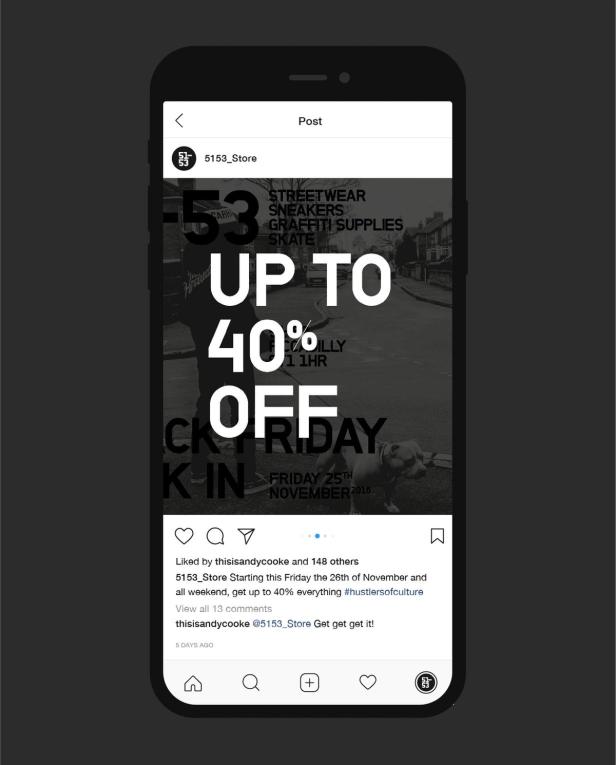
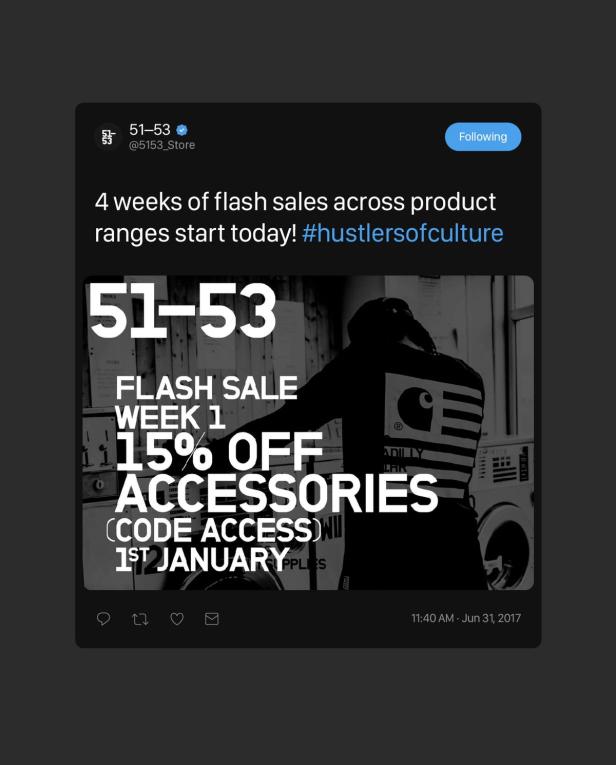
Pushing products was always the primary consideration when it came to our social presence, while maintaining integrity in the culture. Finding this balance was sometimes a challenge.

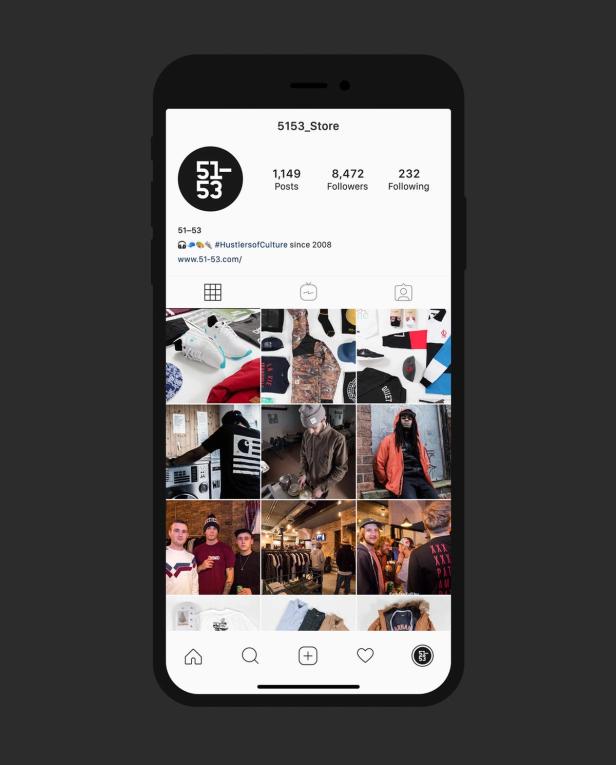

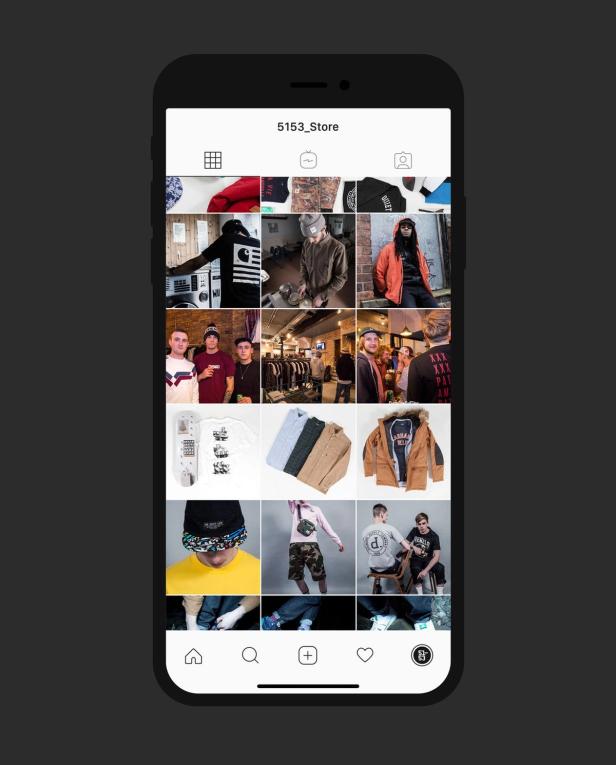




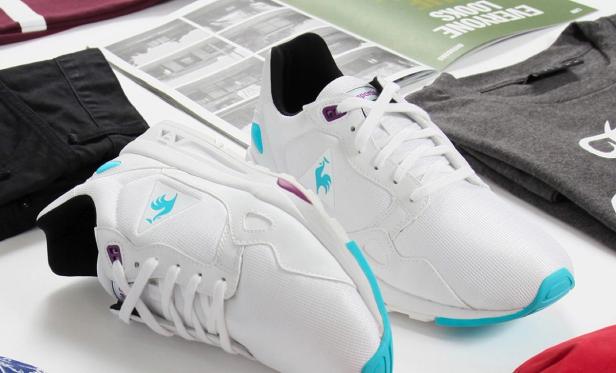

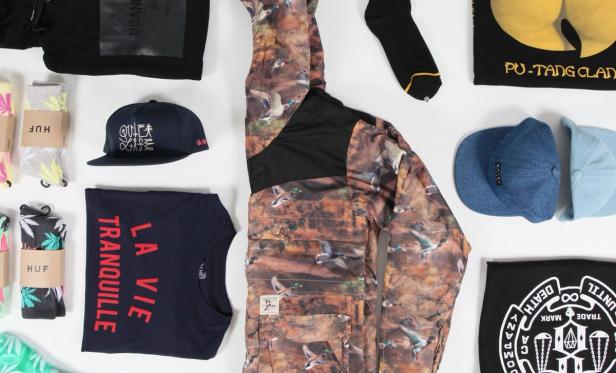
Between the store gatweays of social media and e-mail campaigns, all roads led to the eCommerce platform where we sold out product and were able to best represent ourselves within the fashion and street culture worlds. Seasonal sale campaigns were the place to let the strong, bold visual identity flourish—as opposed to the content-led marketing in between seasons.